Botox is widely recognized for smoothing wrinkles and softening expression lines, but the science behind the treatment is what truly sets it apart. Rather than changing the structure of the skin, Botox works at the neuromuscular level by influencing how targeted muscles respond to nerve signals. This precise interaction allows results to appear controlled, natural, and refined when administered correctly.
At Park Place Medical Spa in Granger, IN, Botox treatments are approached with a strong emphasis on education, precision, and customization. Understanding how Botox works, from its active ingredient to how it interacts with the body, helps patients make informed decisions and appreciate why expertise and technique are essential to achieving high-quality results.
Understanding Botox
Botox is a widely used injectable treatment with both cosmetic and therapeutic applications. Its effectiveness lies in its ability to address muscle activity at the source, rather than simply masking surface-level concerns. At Park Place Medical Spa, Botox is used as a precise, customizable treatment designed to support natural-looking results while maintaining facial balance and expression, which is essential in a luxury aesthetic setting.
Knowing what Botox is and how its active ingredient functions helps explain why the treatment delivers consistent, predictable outcomes when administered by trained professionals who prioritize technique and individualized care.
What is Botox?
Botox is an FDA-approved injectable neuromodulator used to temporarily relax specific muscles that contribute to expression lines and tension-related concerns. In aesthetic treatments, it is commonly used to soften dynamic wrinkles caused by repeated facial movements, such as frowning, squinting, or raising the eyebrows.
By limiting excessive muscle contraction, Botox allows the overlying skin to appear smoother while still allowing natural movement. Results develop gradually and are intended to enhance facial appearance without creating a stiff or overtreated look.
The Active Ingredient: Botulinum Toxin
The active ingredient in Botox is botulinum toxin type A, a purified protein that has been extensively studied and used in medical treatments for decades. In controlled, therapeutic doses, botulinum toxin is considered safe and effective when administered by qualified providers with appropriate medical training.
When injected into targeted muscles, botulinum toxin works locally at the injection site rather than affecting the body systemically. This localized action allows Botox to deliver focused, refined results for both cosmetic and therapeutic applications.
How Botox Works in the Body
Botox works by interacting with the communication pathways between nerves and muscles. Instead of altering the skin’s structure, the treatment affects how targeted muscles respond to nerve signals that trigger contraction. This process allows Botox to soften lines, reduce tension, and address certain functional concerns while preserving natural movement when applied correctly.
At Park Place Medical Spa, Botox treatments are performed with a focus on anatomical precision and controlled dosing. This approach ensures the treatment works exactly where intended and supports refined, balanced results that align with each patient’s facial structure and treatment goals.
Mechanism of Action
Botox works by temporarily blocking the release of the neurotransmitter acetylcholine, which signals muscles to contract. When acetylcholine release is reduced, the targeted muscle cannot contract as strongly, allowing it to relax. This muscle relaxation is what leads to smoother skin and reduced tension in treated areas.
The effect is localized to the specific muscles injected, meaning surrounding muscles continue to function normally. Proper placement and dosing are essential to ensuring Botox relaxes only the intended muscles while maintaining natural expression.
Impact on Nerve Signals
By influencing nerve-to-muscle communication, Botox alters how frequently and forcefully a muscle contracts. This reduction in activity helps prevent repetitive movements that can contribute to wrinkles or muscle strain over time. As a result, the skin above the muscle appears smoother, and tension-related symptoms may be reduced.
Because Botox does not permanently disrupt nerve signals, its effects gradually wear off as nerve function returns. This temporary nature allows treatments to be adjusted over time based on individual response, goals, and evolving aesthetic needs.
Common Uses of Botox
Botox is a versatile treatment with applications that extend beyond facial aesthetics. By targeting specific muscles and nerve pathways, Botox can address a range of functional and cosmetic concerns. Its adaptability is one reason it has become a widely used option in both medical and aesthetic settings.
Each use of Botox requires precise placement and individualized dosing to achieve effective results while maintaining comfort and safety. Understanding these typical applications highlights how Botox can be tailored to different needs.
Botox for Chronic Migraines
Botox for chronic migraines is used to help reduce the frequency and severity of migraine episodes in certain patients. The treatment targets specific muscle groups and nerve pathways involved in migraine pain, helping to decrease muscle tension and interrupt pain signaling.
This application of Botox is typically considered for individuals who experience frequent migraines and have not found sufficient relief through other approaches. Treatment plans are customized based on symptom patterns and individual response.
Botox for Excessive Sweating
Botox is also used to manage excessive sweating, a condition known as hyperhidrosis. By blocking nerve signals that activate sweat glands, Botox can significantly reduce perspiration in treated areas such as the underarms, hands, or feet. This targeted approach helps regulate sweat production without affecting surrounding tissues.
Results typically develop within days and can provide relief that lasts for several months. This application of Botox offers a non-surgical option for patients seeking improved comfort, greater confidence, and better quality of life during daily activities.
Botox for Bruxism
Botox for bruxism is used to relax overactive jaw muscles that contribute to teeth grinding and clenching. Excessive muscle activity in the jaw can lead to headaches, jaw discomfort, and dental issues over time.
By reducing muscle tension, Botox may help alleviate associated symptoms and protect the jaw from ongoing strain. Proper assessment ensures treatment supports function without interfering with normal chewing.
Botox for Neck Lines
Botox can be used to soften the appearance of neck lines caused by repetitive muscle movement or neck muscle tension. Targeted injections help relax the underlying muscles, which can improve the skin’s smoothness and appearance.
This application is often chosen by patients seeking subtle neck rejuvenation without surgical intervention. Careful dosing and placement are key to achieving balanced, natural-looking results.
The Botox Injection Process
The Botox injection process is designed to be efficient, precise, and tailored to each patient’s needs. At Park Place Medical Spa, treatments begin with a thoughtful, personalized approach that prioritizes safety, comfort, and natural-looking results. Each step of the process is guided by expertise and attention to detail to ensure a refined experience from start to finish.
From consultation through treatment, patients are supported with clear communication and individualized planning. Understanding what to expect during the injection process can help patients feel confident and prepared before their appointment.
Pre-Injection Consultation
Before receiving Botox, patients begin with a comprehensive consultation focused on evaluation and planning. During this visit, facial anatomy, muscle movement, and aesthetic or therapeutic goals are carefully assessed. Medical history and lifestyle considerations are also reviewed to ensure Botox is an appropriate option.
Patients who wish to learn more about the experience and qualifications of the providers performing Botox treatments are encouraged to visit the Meet the Team page. This consultation phase allows for personalized treatment planning and ensures expectations are aligned before moving forward.
What Happens During the Injection Procedure
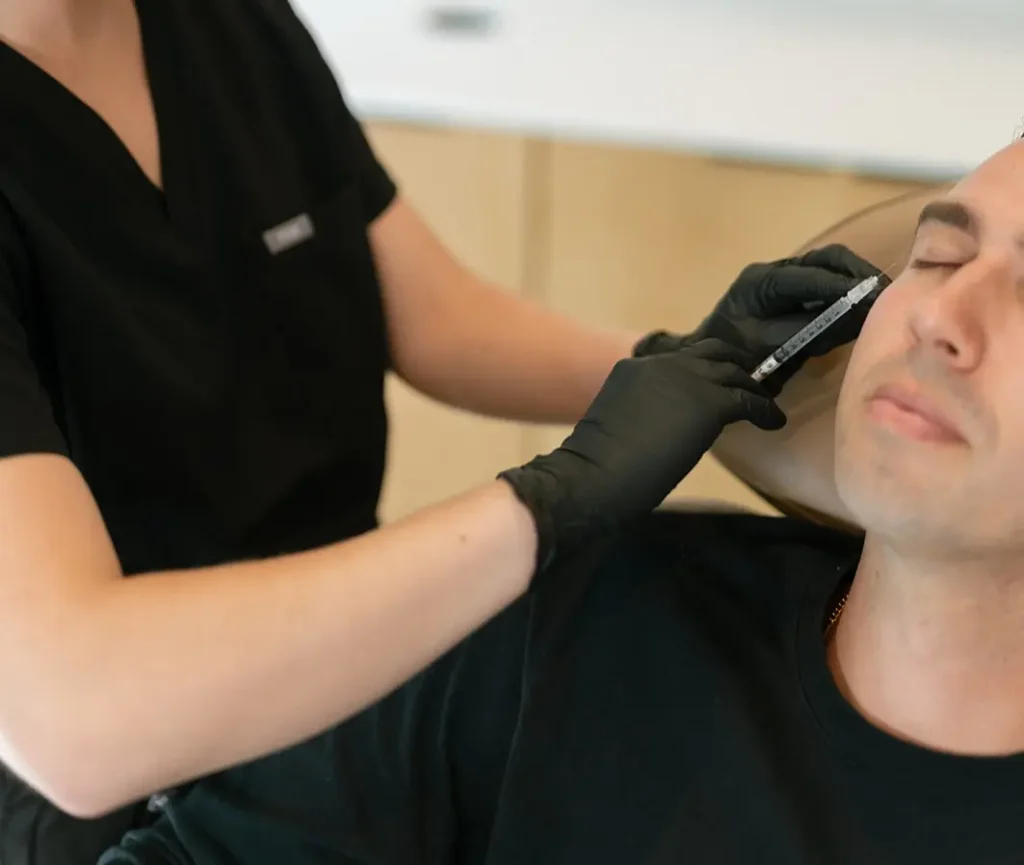
During the Botox injection procedure, small amounts of product are administered into targeted muscles using a fine needle. The treatment itself is typically brief, with most sessions lasting only a short time. Patients often describe the sensation as mild and manageable.
Following the injections, patients can usually return to normal daily activities with minimal interruption. Careful placement and controlled dosing help support balanced results while minimizing discomfort and downtime.
Botox Recovery and Results
Botox recovery and results develop gradually, allowing patients to return to daily activities with minimal interruption. While the treatment itself is quick, the days and weeks following injections are when changes become more noticeable. Understanding the recovery process and the timeline for results helps patients set realistic expectations and feel confident in their treatment decisions.
Results vary based on individual response, treatment areas, and dosing. Following post-treatment guidelines supports optimal outcomes and helps ensure results appear balanced and natural.
Botox Recovery Time
Botox recovery time is typically minimal, making it a convenient option for patients with busy lifestyles. Most individuals experience little to no downtime and can resume normal activities shortly after treatment. Mild redness, swelling, or bruising at injection sites may occur but generally resolves within a few days.
Patients are often advised to avoid rubbing treated areas and to follow specific post-treatment instructions to support the best possible outcome. These simple guidelines help ensure a smooth recovery experience.
How Long Does It Take for Botox to Work?
At Park Place Medical Spa, patients are guided through what to expect following their Botox treatment. Initial changes may begin to appear within three to five days, with full results typically visible within one to two weeks. This gradual onset allows results to develop naturally rather than appearing abrupt.
Because Botox works by relaxing targeted muscles, the timing of visible results can vary depending on muscle strength and treatment area. Follow-up guidance ensures patients understand how their results will continue to evolve.
How Long Do Botox Results Last?
The duration of Botox results varies from patient to patient but typically lasts several months. As nerve signaling gradually returns, muscle activity increases, and the effects of Botox slowly diminish. Many patients choose to maintain results through periodic treatments.
To better understand how results develop and change over time, patients are encouraged to explore the before-and-after gallery. Reviewing real patient outcomes can help set expectations and provide insight into the longevity of Botox results.
Common Side Effects of Botox Injections
Botox injections are generally well tolerated when performed by trained professionals, but like any injectable treatment, mild side effects can occur. Being aware of what is considered normal versus what may require follow-up helps patients feel prepared and confident after treatment. Most side effects are temporary and resolve on their own within a short period.
Common side effects may include mild redness, swelling, tenderness, or bruising at the injection sites. Some patients experience temporary headache or a feeling of tightness in treated areas as the product begins to take effect. These responses are typically short-lived and improve as the body adjusts in the days following treatment.
Rare Complications and Safety Considerations
While uncommon, more serious side effects can occur, particularly if Botox is not administered correctly. These may include muscle weakness beyond the intended treatment area, asymmetry, or drooping of nearby muscles. Such risks highlight the importance of precise technique, appropriate dosing, and provider expertise.
Safety considerations also include reviewing medical history and current medications before treatment. A thorough consultation helps reduce risk and ensures Botox is used in a way that aligns with each patient’s anatomy and overall health.
When to Seek Medical Advice
Patients should contact their provider if they experience unexpected side effects, if side effects worsen, or if they do not improve within the anticipated timeframe. Symptoms such as difficulty swallowing, changes in vision, or significant muscle weakness should be addressed promptly.
Open communication and follow-up care are essential parts of a safe Botox experience. Knowing when to seek medical advice helps ensure concerns are handled quickly and appropriately, supporting both safety and peace of mind.
Is Botox Right For You?
Botox may be a thoughtful option for individuals seeking refined enhancement, functional relief, or preventative care without surgery. Whether the goal is softening expression lines, easing muscle tension, or maintaining skin quality over time, Botox offers flexibility when used with precision and restraint. The key is ensuring the treatment aligns with your lifestyle, aesthetic preferences, and expectations for subtle, natural-looking results.
Taking the time to evaluate how Botox fits into your overall self-care approach helps ensure outcomes that feel intentional rather than routine. When administered by an expert, Botox can enhance appearance and comfort while preserving individuality.
Why Trust Park Place Medical Spa for Botox in Granger, IL
Park Place Medical Spa in Granger, IN, is known for its elevated approach to aesthetic treatments, combining advanced techniques with a strong emphasis on personalization. Botox treatments are performed with careful attention to facial anatomy, balance, and long-term skin health to ensure results appear polished and understated.
Rather than offering one-size-fits-all treatments, the team focuses on tailored care that respects each patient’s features and goals. This refined approach allows Botox results to feel seamless, natural, and aligned with a luxury med spa experience.
Book an Appointment Today!
If you are exploring Botox as part of your aesthetic or wellness routine, Park Place Medical Spa offers expert-guided care in a calm, sophisticated setting. Every treatment is designed to support confidence, comfort, and natural-looking results.
Park Place Medical Spa is located at 15615 IN-23, Suite N, Granger, IN 46530. To schedule an appointment, call (574) 850-0454 or reach out through the Contact page. The team is here to provide refined care designed around you.